
Video transcriptWhat Is Mold and Why Does It Matter?
What is mold, and why does it matter? Hi, I am Josh from Mold and Air Duct Pros, based in Cleveland, Ohio. Mold is a fungus that includes thousands of different species. It may grow indoors or outdoors and thrives in damp, warm, and humid environments. Mold develops when mold spores are introduced to an environment. Spores can enter your home through open doorways, windows, and vents. They can also attach to clothing, shoes, and pets and be carried indoors. If the humidity level is over 60 percent, airborne mold spores can start to multiply.
Attics, crawl spaces, and basements are prone to mold growth due to humidity and ventilation issues. However, any moist area in the home can get moldy. Drywall, ceiling tiles, carpet, furniture, ductwork, roofing, paneling, wallpaper, areas under sinks, and areas around plumbing pipes can harbor mold when the ideal growth conditions are present. Mold matters because it can negatively affect our health if it is not dealt with properly.
That is why it is important to stay on top of potential mold issues and have professionals remediate them so they do not come back. If you smell a musty odor, you are probably smelling mycotoxins. Some mold types are capable of producing mycotoxins. Mycotoxins are defensive chemicals that mold produces to ward off other varieties of mold, and mycotoxins are usually what adversely affects people's health.
If you suspect mold in your home and are experiencing allergic reactions such as a runny nose, itchy throat, or headaches, please call Mold and Air Duct Pros at (440) 467-4104. We pride ourselves on fast, safe, and affordable mold inspection service. We can perform mold tests on site with instant results to give you peace of mind that your home or office is a safe environment.
Ever wondered how to prevent mold in your home? Dive into our guide on what household mold is, where it commonly shows up, and what you can do to prevent it.
Understanding Mold
Let’s break it down. Mold is a type of fungus that thrives in damp and humid environments. While it might seem harmless at first glance, mold can cause serious health problems and pose potential threats to the structural integrity of your home. Understanding what mold is and how it gets into a house is key to effective prevention and mitigation.
Different types of mold can move into our homes, each with its own characteristics and risks. Here are six common types to look out for:
- Aspergillus: A diverse genus of molds commonly found indoors and outdoors. It can appear in various colors and may cause respiratory problems.
- Cladosporium: Known for its dark green or black appearance, this mold is frequently found on fabrics, carpets, and wood surfaces. It can trigger allergy symptoms.
- Penicillium: Recognized for its blue or greenish appearance, Penicillium is a common indoor mold. While some species are used to produce antibiotics, others may cause respiratory problems.
- Alternaria: Typically found in damp areas such as bathrooms and beneath sinks, Alternaria can trigger allergies and asthma symptoms. It often appears black or dark brown.
- Stachybotrys: Often called black mold, Stachybotrys is associated with prolonged water damage. It can appear dark green or black and may produce mycotoxins.
- Chaetomium: Commonly found in water-damaged homes, Chaetomium may appear white, gray, or brown and is often associated with a musty odor.
Common Locations for Household Mold

Now that we know what we’re dealing with, where in our homes do we focus on mold prevention? It is important to know that mold tends to favor certain areas in our homes. Understanding where it commonly takes up residence is the first step in effective prevention and management. Two rooms account for most of what we are called out to look at, and each has its own routine: keeping a bathroom dry and dealing with a damp basement.
Bathrooms
One of the most notorious spots for mold growth is the bathroom. The combination of moisture and warmth provides an ideal breeding ground for mold. Shower walls, grout lines, and even the often-neglected corners of bathroom ceiling tiles are susceptible. Regular cleaning, drying, and proper ventilation can keep mold at bay in these spaces.
Basements
Dark, damp, often-neglected basements are another favorite haunt for mold. Leaks, poor ventilation, and high humidity levels make basements susceptible to mold growth.
Pay special attention to places that may have hidden water damage. (Areas behind drywall or under carpets are particularly prone.) Adequate ventilation, dehumidifiers, and routine inspections can help mitigate mold risks.
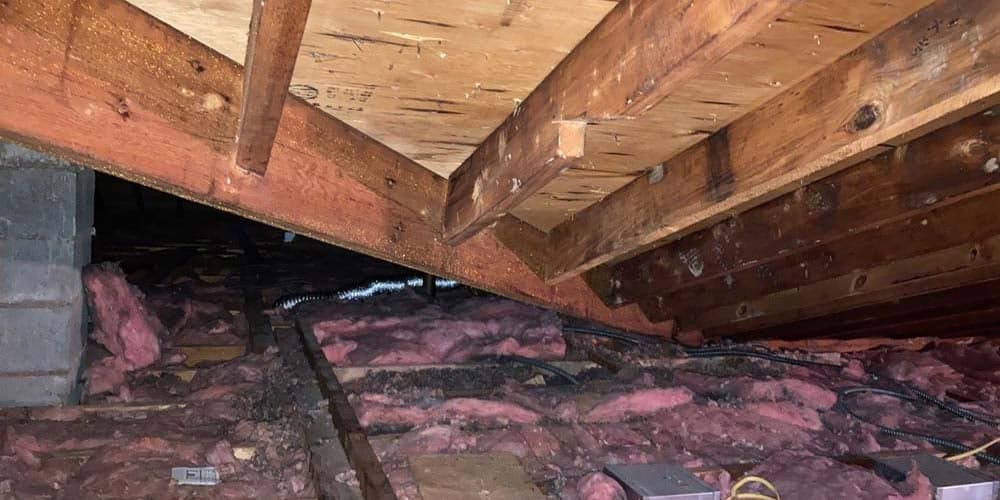
Attics
Homeowners often overlook attics, but they are not immune to mold issues. Poor ventilation and roof leaks make for perfect conditions for mold growth. Inspecting the attic for moisture problems, ensuring proper insulation, and providing good ventilation can help prevent mold growth.
Kitchens
Kitchens may not seem like an obvious breeding ground for mold, but finding mold around sinks, under appliances, and in poorly ventilated pantries is not uncommon. Plumbing or appliance leaks provide the moisture mold needs. Regular cleaning, proper ventilation, and prompt attention to excess moisture can reduce the risk of kitchen mold.
Understanding Mold Growth
What do these rooms and situations all have in common? Moisture.
Simply put, mold needs water. Mold spores are omnipresent in the environment, but they remain dormant until they encounter the right conditions for growth. When they come into contact with damp or wet surfaces, they absorb water and begin to germinate.
There are three main reasons that moisture shows up in the home:
- Leaks and water damage. Whether stemming from plumbing mishaps, roof leaks, or hidden seepage, any form of moisture breach becomes a potential breeding ground for mold.
- Humidity levels. Indoor spaces with elevated humidity, often exceeding the 60% threshold, provide an ideal setting for mold to grow.
- Inadequate ventilation. Spaces without proper airflow can develop pockets where stagnant, moist air builds up. This is like laying out a welcome mat for mold.
Strategies for Preventing Common Mold Problems
When it comes to mold, prevention is far more manageable and less taxing than remediation. Be proactive! Mold prevention involves a multi-faceted strategy that encompasses routine checks, effective ventilation, swift action on water-related issues, humidity management, and strategic material choices.
Conduct Regular Home Inspections
The cornerstone of effective mold prevention lies in regular home inspections. Vigilance is key, as early detection can thwart potential mold issues before they escalate.
Regularly check areas of your home that are prone to moisture, and call a professional if you are unsure what you are dealing with. Mold inspectors have tools that can identify hidden conditions and test air throughout the home. Their findings can give you practical information for addressing a concern promptly.
Ventilate Effectively
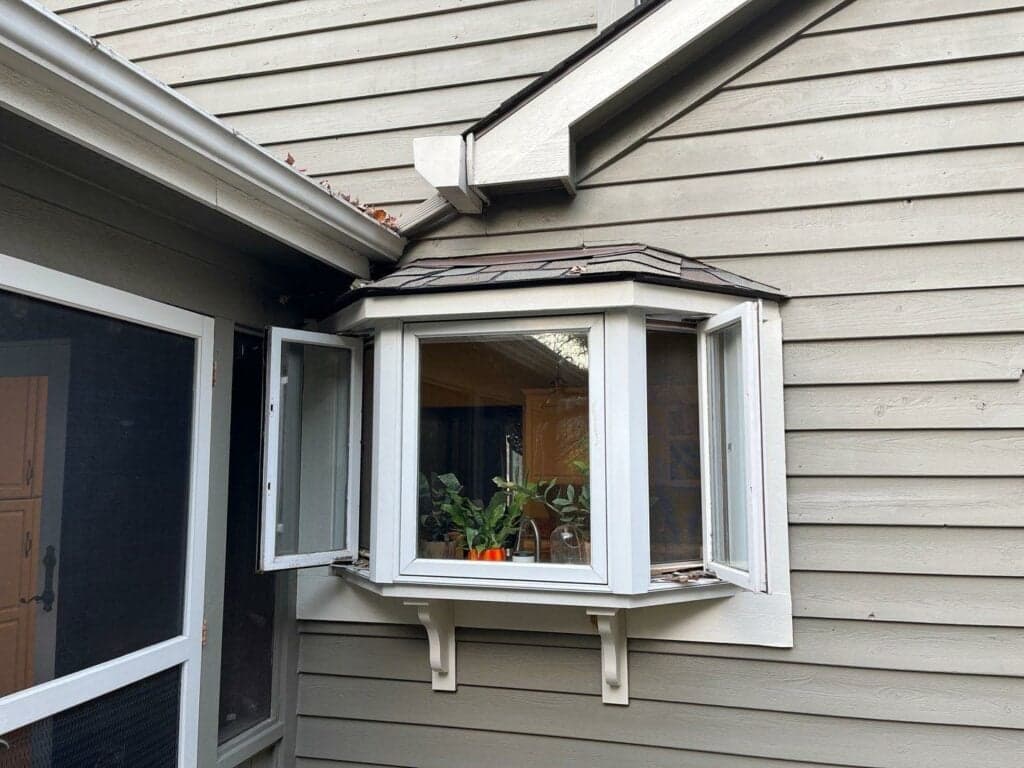
Adequate ventilation is key as stagnant, humid air is an open invitation for mold to flourish. Incorporate effective ventilation techniques throughout your home. These include utilizing exhaust fans in bathrooms and kitchens, opening windows and doors, using and maintaining your central ventilation system (if your home has one), investing in attic ventilation, using air purifiers, and installing window ventilators. Proper ventilation not only discourages mold growth but also promotes overall indoor air quality.
Address Water Problems Promptly
Water-related issues are a mold’s best friend. From leaky roofs to plumbing mishaps, any form of unwanted water intrusion provides the moisture mold thrives on. Promptly addressing these issues is pivotal in mold prevention. Whether it’s fixing a leaky pipe, repairing a damaged roof, or addressing flooding promptly, tackling water-related issues head-on disrupts the conditions favorable to mold growth.
Manage Indoor Humidity
Controlling indoor humidity is a proactive measure that significantly contributes to mold prevention. Keeping indoor humidity levels below 60% creates an environment less conducive to mold growth. Dehumidifiers can be valuable tools in achieving and maintaining optimal humidity levels, especially in areas prone to dampness.
Choose Mold-Resistant Materials
An often-overlooked aspect of mold prevention is the selection of building materials. Opting for mold-resistant materials, especially in areas prone to moisture, provides an added layer of defense. These materials are designed to resist mold growth, contributing to a more durable and mold-resistant infrastructure.
Mold prevention is a holistic endeavor that involves a combination of regular inspections, vigilant maintenance, strategic ventilation, prompt resolution of water-related issues, humidity control, and smart material choices. By adopting these prevention strategies, homeowners can create an inhospitable environment for mold.
What to Do Next
As we wrap up, let’s remember the main things: know your enemy (that’s mold), do things to stop it before it starts (like checking your home), and use what you’ve learned to keep your home healthy.
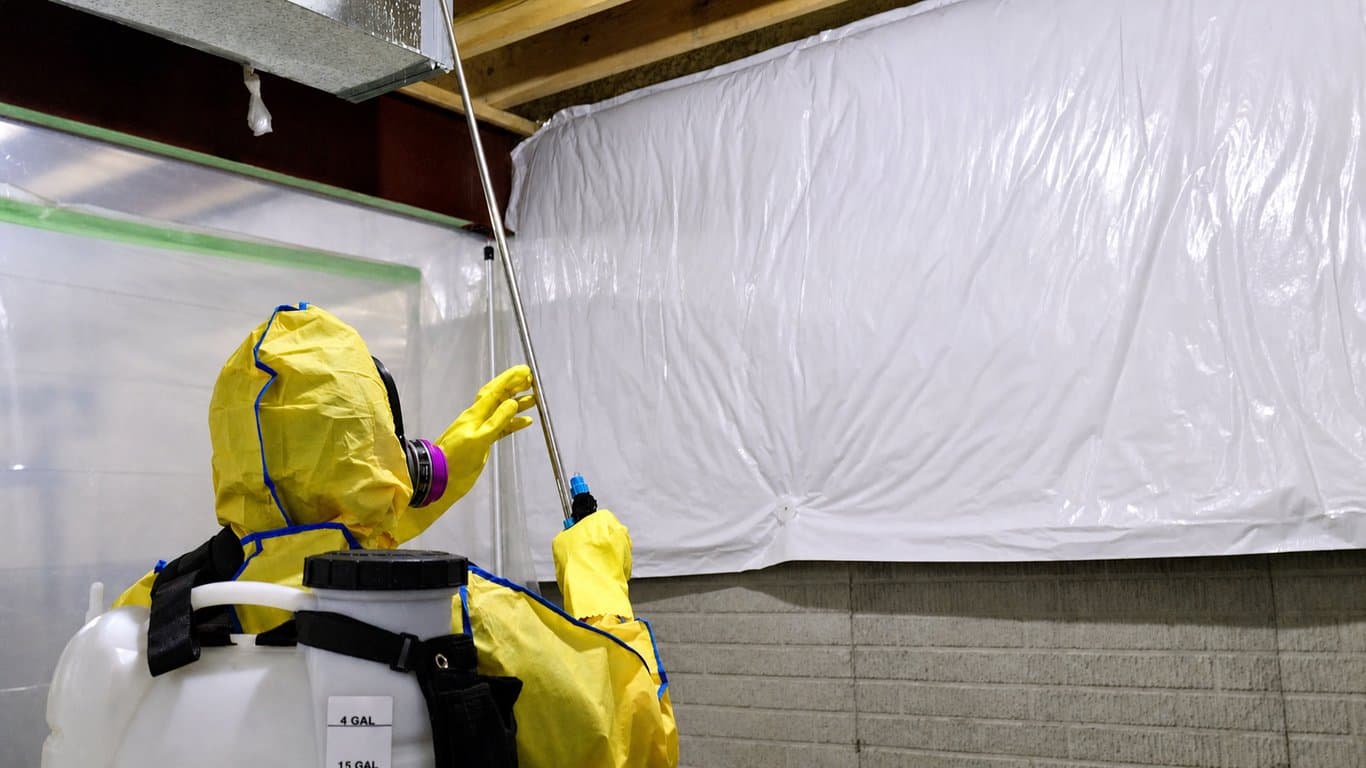
What are your next steps going to be in tackling mold prevention in your home? If you still have any questions, or are worried that mold is present in your home, consider contacting a pro. Mold and Air Duct Pros provide mold testing and prevention services in the Cleveland area. We would love to work with you to make and keep your home safe!