
Video transcriptDoes My Home Have Hidden Mold?
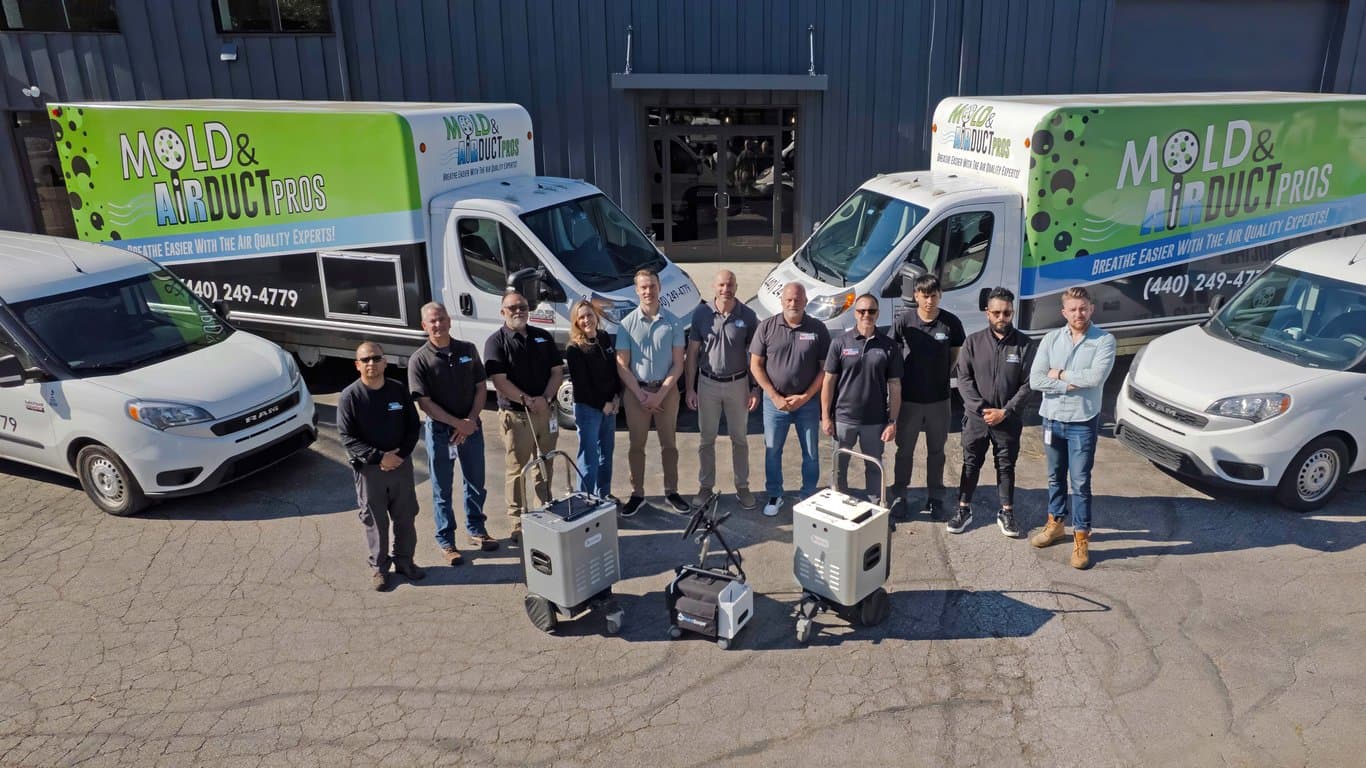
Hello, my name is Zakhar Keselman with Mold and Air Duct Pros. Have you been waking up with itchy eyes, a sore throat, maybe headaches? Or maybe you have newborns or elderly people living with you. Those things could mean that you are a good candidate for our mold inspection. Thankfully, because of the latest developments, we realized more and more how important air quality is for our health. Ninety percent of our time is spent at home. The air we breathe has a huge effect on how we feel, on our health.
We have a lot of people that have also had floods, or maybe they had a roof leak or a basement backup, and we know that elevated moisture levels at home are a breeding ground for mold. Some people have questions: well, how do I know which mold is bad for my health? Is it black mold? The reality is that there are over 100,000 mold types out there, and each of those mold types can potentially have a negative effect on any human being, and that all has to do with that particular person's sensitivity to mold as well as their immunity.
According to the EPA, if there is any type of mold in your house, it needs to be remediated. Another misconception that people have is they will call us and they will say, look, I have this mold issue in my basement, can you please come and give me a price, how to remediate it? This is not our process, and I will explain to you why. We always start our mold remediation with inspection, and I will talk in a little bit about why we use this particular technology, which we call Lab on Wheels, to analyze each room in your home.
Mold spores are invisible to our naked eye. If you can think of dandelion seeds that move around your house like in a cloud with airflow, that means that every time there is a door or window that opens and closes, or your furnace kicks in, you could just imagine how that airflow will move those mold spores throughout the home, and then they will congregate in different rooms.
We had one client that called us and visible mold growth was in the basement, and as we were scanning every room in their home, we found out that the most amount of mold spores in the air, airborne, were in the room where his children were playing. That is the reason why we don't just come and remediate mold where it's visible. We want to do an inspection of your entire home and only remediate rooms that are necessary.
We have also come into a place where a customer had an estimate from a company to remediate mold and they were charging a lot of money remediating mold in the rooms that it was not there. They just assumed that the mold spores were going to be in these rooms, and it was not there. We want to contain the areas that were affected and just remediate those areas in particular, and save this customer money.
If you have ever dealt with a mold inspection company, or if you will call a mold inspection company, a very common method for them to analyze air would be these little — they're called air cassette pumps — that they will take a reading outside and then they will take a reading normally in two to three rooms of your house. They will take these cassettes and they will send them to the lab to be analyzed for mold, which could take another three to four days. We have been a contractor in the Cleveland area for over 20 years.
We know really well about restoration, and so when we were introduced to this particular technology — this is InstaScope, again, Lab on Wheels — it analyzes air in your home in real time. It was developed by the British military to detect anthrax, and so an American company took on that technology and was able to modify it to use it for mold inspection purposes. This is not a particle counter that just counts all kinds of particles in your air. It could be pollen, it could be bacteria, it could be mold, any of those things.
This is used specifically for mold. It analyzes how many mold spores you have per cubic meter, and so this way we will take a base reading outside and then we will take a base reading in each room of your home. It compares it to the outside.
You will actually see one of our inspectors scanning each room in your home with this wand, and on the iPad you will see colors, where it would say green, which means that the mold levels are safe, the same as outside; or it would be yellow, which is elevated, which might prompt us to do a little bit deeper investigation of what's going on; or it could be red, which means highly elevated and needs to be remediated.
If the mold levels are elevated, our inspectors will provide you with a free, no-obligation estimate to remediate that mold, and if you choose to proceed, we call our cavalry to come and service your home to make sure that you and your occupants are safe. Thank you so much for giving me the time to explain our mold inspection process and the technology that we utilize to detect mold in your home.
Have you ever caught a whiff of a strange smell or spotted mysterious stains on the walls of your home? You could have a hidden mold problem.
It’s hard enough dealing with mold that is out in the open where it can be easily noticed and quickly dealt with! But how do you handle mold remediation when the infestation has been growing inside your walls for… who knows how long?
In this blog post, we’ll answer that question. We’ll also give you some tools for both understanding and preventing behind-the-wall mold. Let’s get into it!
If you already know you have a problem and want the practical version, see what to expect during a mold remediation and what that work costs in the Cleveland area.
What are some signs of Hidden Mold?
Signs of hidden mold include: unusual odors, water stains and discoloration, allergy-like symptoms, and peeling paint on walls. Let’s get into more detail.
- Unusual Odor: One of the most noticeable signs is an unusual odor, often described as musty or earthy. If you catch a whiff of an unpleasant smell that sticks around despite your best efforts to clean and freshen your home, it could be a hint of mold lurking behind walls.
- Water stains and discoloration: Your walls or ceilings may be showing water stains and discoloration, other telltale signs of hidden mold. These stains may show up as dark spots, patches, or even gradual discoloration. This could indicate a history of water intrusion and potential mold growth. If you’ve ever wondered about that mysterious water stain that seems to reappear, mold could be the unseen culprit. It is especially important to pay attention to this one in Northeast Ohio— the region’s climate puts you at higher risk for water-related issues.
- Allergy-like symptoms: Indoor air quality can be affected by hidden mold and lead to allergy-like symptoms. If you or your family members experience unexplained sneezing, congestion, itchy eyes, or respiratory issues while indoors, mold might be to blame. Mold spores can become airborne and trigger allergic reactions, making these symptoms an important signal to consider hidden mold as a possibility.
- Peeling or discolored paint: There can be another visible sign of hidden mold on your walls: peeling or discolored paint. If you notice paint on your walls showing signs of damage, such as peeling, bubbling, or a discolored appearance, it could be an indication that moisture and mold are affecting the structure behind the walls. Investigating the root cause of these paint problems may lead to the discovery of hidden mold growth. This situation would require quick mold remediation for a healthy living environment.

Understanding the Causes of Hidden Mold
Knowing what causes mold to show up behind the walls of your home is a crucial part of both mold remediation and prevention. From years of experience working across Cuyahoga, Lake, Geauga, Summit, Portage, Lorain, and Medina counties in Northeast Ohio, we’re very familiar with local reasons for mold growth. Here are the main ones:
Water Leaks and Moisture Issues: Water leaks and stubborn moisture problems are major culprits behind hidden mold. Leaky roofs, plumbing issues, or even poor sealing around windows and doors can introduce water into hidden spaces, providing an ideal environment for mold to thrive unnoticed. When rainwater, melted snow, grey water, or any other unwanted moisture finds an entry point, it can saturate anything porous. This includes drywall, insulation, and even wood. Keep an eye out for any damage that could become an entry point, and get affected surfaces inspected quickly.
Poor Ventilation: Poor ventilation often leads to mold problems in confined spaces. In areas lacking enough airflow, such as bathrooms without proper ventilation or enclosed basements, stagnant air traps moisture, creating an ideal environment for mold growth. This is because of the accumulation of moisture in poorly ventilated spaces. Bathrooms, known for steam and humidity, become susceptible to hidden mold issues without efficient ventilation. Similarly, basements, being closed-off areas, often struggle with air circulation, making them prone to mold-related challenges. Addressing these concerns with proper ventilation systems or devices like dehumidifiers is crucial in preventing mold-related complications in these environments.
Condensation Problems: Condensation can lead to hidden mold, especially in humid spots. When warm, moist air encounters cooler surfaces, it creates condensation, a prime mold breeding ground. Often found in poorly insulated walls or areas with temperature differences, this scenario quietly fosters mold growth. Proper insulation and ventilation are key in preventing this. Ensure proper ventilation by using exhaust fans in bathrooms, kitchens, and other humid areas. Maintain consistent indoor temperatures, insulate walls, and reduce humidity levels with dehumidifiers. Regularly inspect and address leaks or water damage promptly.
Plumbing Issues: Leaks in plumbing can be a major reason for mold problems. Slow leaks behind walls or in the attic can go unnoticed for a long time, allowing mold to grow and spread in concealed spaces. This is especially important in areas prone to freezing and fluctuating temperatures, like Northeast Ohio. When water freezes, pipes may burst and leak into concealed spaces. To reduce the risk, insulate pipes, maintain appropriate indoor temperatures, and address signs of a leak promptly.

The Impact on Health
Damp or moldy environments may affect some people, but symptoms alone cannot identify hidden growth or its source. Read our mold and health guide for general guidance, and discuss personal symptoms with a qualified healthcare professional.
Exposure to mold spores, especially in enclosed spaces, can trigger respiratory issues. Common symptoms include coughing, wheezing, and difficulty breathing. Individuals with pre-existing respiratory conditions may experience more serious symptoms.
Hidden mold can worsen allergies and sensitivities. Individuals sensitive to mold may experience allergic reactions, including sneezing, itchy eyes, and skin irritation. Identifying hidden mold and dealing with the issue quickly is important for preventing prolonged exposure and potential health issues.
The Importance of Professional Inspection
When it comes to hidden mold, a professional inspection is a crucial step towards finding and removing it. At Mold and Air Duct Pros, we understand the unique challenges of mold growth in Cleveland homes.
Professional inspectors bring knowledge and experience to your home. They identify hidden mold that might go unnoticed by untrained eyes. Using advanced tools and techniques, they thoroughly examine areas prone to mold growth. A local pro will also understand Cleveland’s unique climate— its ever-changing weather puts homes at risk for moisture-related issues, and hidden mold.
By opting for a professional inspection, homeowners can gain a complete understanding of potential mold issues. A qualified inspector will assess the common signs—unusual odors, water stains, discoloration, and more— and use their tools and experience to come up with a mold remediation plan for your home. Ask how the proposed methods will investigate the suspected source. On-site airborne measurements and laboratory samples provide different information, and neither directly sees through a wall. Pricing should explain the inspection scope, samples, reporting, and any additional access that may be needed.
Mold and Air Duct Pros uses what is called the InstaScope for instant mold results. In a recent interview, Josh from Mold and Air Duct Pros told this story:
We had a customer, they had had a previous company come in because they were having upper respiratory issues, headaches, burning, stinging eyes, to the point where they were like, “I don’t even want to spend time in my home.” This other testing company tested and they found presence of mold spores, but they didn’t find the source.
When I was there for the Mold and Air Duct Pros inspection, I was walking through performing the inspection with the InstaScope. I found there were elevated mold levels the closer I got to this tiny little closet area that had a bunch of those banker boxes up on the top shelf. Those boxes were blocking this small access panel to the attic. I moved the boxes and went up there and the sheathing, which is basically where the shingles get nailed to, was pitch black with mold for the entire roof area.
Using the InstaScope, helped in a big way to find this source because we basically followed the elevated levels of the spore count and the room that was below that attic access had one of the highest levels in the home.

Mold Remediation Process
At Mold and Air Duct Pros, we use a documented mold remediation process for both hidden and visible growth. The scope varies by property, but the core stages include:
- Free Visual Consult: You speak with a team member about the property and the concern. This helps determine whether a paid inspection and testing are the right next step.
- Mold Inspection: We use InstaScope for whole-home air analysis with on-site results, along with visual inspection and other tools where needed.
- Cover and Protect: We cover floors and belongings along the work path and near the affected area.
- Containment Barriers: We isolate the work zone and use negative air and HEPA filtration to limit particles from spreading.
- Material Removal: Contaminated porous materials are carefully removed when they cannot be salvaged.
- HEPA Vacuuming: Affected surfaces are HEPA vacuumed in detail.
- React/Extract: We use React/Extract on salvageable wood, followed by wet vacuum extraction.
- Whole-Home Air Duct Cleaning: Every Mold and Air Duct Pros remediation includes duct cleaning throughout the home.
- Post-Remediation Evaluation: We compare results with acceptable outdoor baseline levels. If covered work does not pass, we continue the remediation at no additional charge under our service guarantee.
Conclusion
We hope that we’ve answered some of your questions about noticing, identifying, and addressing mold behind your walls. Have more questions or want a free visual consult? Contact Mold and Air Duct Pros and we’ll help you understand the next step.