Video transcriptWhat Is Mold and Why Does It Matter?
What is mold, and why does it matter? Hi, I am Josh from Mold and Air Duct Pros, based in Cleveland, Ohio. Mold is a fungus that includes thousands of different species. It may grow indoors or outdoors and thrives in damp, warm, and humid environments. Mold develops when mold spores are introduced to an environment. Spores can enter your home through open doorways, windows, and vents. They can also attach to clothing, shoes, and pets and be carried indoors. If the humidity level is over 60 percent, airborne mold spores can start to multiply.
Attics, crawl spaces, and basements are prone to mold growth due to humidity and ventilation issues. However, any moist area in the home can get moldy. Drywall, ceiling tiles, carpet, furniture, ductwork, roofing, paneling, wallpaper, areas under sinks, and areas around plumbing pipes can harbor mold when the ideal growth conditions are present. Mold matters because it can negatively affect our health if it is not dealt with properly.
That is why it is important to stay on top of potential mold issues and have professionals remediate them so they do not come back. If you smell a musty odor, you are probably smelling mycotoxins. Some mold types are capable of producing mycotoxins. Mycotoxins are defensive chemicals that mold produces to ward off other varieties of mold, and mycotoxins are usually what adversely affects people's health.
If you suspect mold in your home and are experiencing allergic reactions such as a runny nose, itchy throat, or headaches, please call Mold and Air Duct Pros at (440) 467-4104. We pride ourselves on fast, safe, and affordable mold inspection service. We can perform mold tests on site with instant results to give you peace of mind that your home or office is a safe environment.
Cleveland residents are all too familiar with the challenges posed by mold in their homes. The city’s unique climate, with its humid summers, damp autumns, and cold winters, creates a perfect environment for mold growth. From historic homes to new builds, mold can show up anywhere and at any time of the year.
In this comprehensive guide, we’ll explore the challenges that each season in Cleveland brings. We’ll also give you practical steps to protect your home from mold all year long. You can be ready to handle anything from melting snow in spring to freezing pipes in winter- you just have to know what to watch out for. So let’s learn how to fight mold through every season that Cleveland throws our way.
Understanding Common Mold Types in Cleveland Homes
We are going to start with a brief overview of what mold types are often found in Cleveland-area homes.
Color alone does not identify a mold species. You do not need a species name before addressing visible growth and its moisture source. If the extent or source is unclear, a professional inspection can help determine the next step.
Ok, here are the 5 most common types of mold that could show up in your home:
- Aspergillus: Appears as a powdery substance, often white, yellow, green, or black, and commonly forms a velvety or cotton-like texture. Found indoors and outdoors, Aspergillus thrives in warm temperatures, especially in the presence of moisture. It commonly grows on damp organic materials.
- Cladosporium: This genus of molds has a lot of variation depending on the species, but generally shares many similarities with Aspergillus. It typically has a velvety or powdery texture and a dark color- it can look olive-green, brown, or black. This mold is often found outdoors but can also make its way indoors. It is more tolerant of cooler conditions and can grow in both the warm and the cold. It often appears on fabrics, carpets, and wood surfaces.
- Penicillium: Penicillium molds are characterized by their blue or greenish appearance, and they often have a velvety or powdery texture. It’s important to note that while some Penicillium species are used in the production of antibiotics (e.g., penicillin), others can be associated with indoor mold issues and should be addressed if found. They prefer cooler temperatures and can grow in environments with moderate humidity. They are known for appearing on water-damaged materials, including wallpaper, carpets, and insulation.
- Alternaria: Alternaria molds typically appear as dark green or black with a velvet-like texture. They can produce spores in long chains, forming distinctive structures. The appearance of Alternaria can vary, and it may also have a fuzzy or woolly texture. It is common in damp places, and can grow on a variety of surfaces. It is commonly found in areas with water damage, such as leaky roofs or around windows.
- Stachybotrys Chartarum (Black Mold): “Black mold” is Infamous for its dark appearance. It has a slimy texture when wet and a powdery appearance when dry. It typically grows on materials with high cellulose content after prolonged exposure to water.
Any of these molds can affect your health differently. It completely depends on whether you are sensitive/ allergic to mold, how much you’re exposed to, and how long you’re exposed to it.

Spring
Common Causes of Household Mold in Spring
Moisture from rain and melting snow can pool around your house or on your roof and make its way into your home.
Temperature variation can lead to mold growth because it causes fluctuations in humidity levels. Warm air holds more moisture than cold air. When warm air encounters cooler surfaces, like walls or windows, it cools down, and the moisture it holds may condense, creating a damp environment.
How To Prevent Spring Mold Damage
Since the main culprits here are excess water and trapped moisture, your springtime mold-prevention list should include:
- Ventilate: Increase air circulation by opening windows and doors when weather permits.
- Inspect for Leaks: Check for and repair any leaks in roofs, windows, or pipes to prevent water infiltration.
- Monitor Humidity: Keep indoor humidity below 60% by using dehumidifiers and ensuring proper ventilation.
- Clean Gutters: Clear gutters of debris to prevent water accumulation and potential leaks.
- Inspect Basements: Regularly check basements for dampness and quickly address any signs of moisture.

Summer
Common Causes of Household Mold in Summer
High humidity comes with warmer weather in Cleveland. This factor alone does lot to contribute to mold growth.
Poor ventilation can lead to moisture buildup, especially as humidity levels rise. Areas with limited ventilation are common problem areas — bathrooms especially, and below grade, where damp air has nowhere to go.
Improperly maintained or leaking air conditioning units can introduce moisture into the home.
Mold spores from outdoor sources can enter the home more easily during the summer when doors and windows are open.
How To Prevent Summer Mold Damage
- Control Humidity: Keep indoor humidity below 60% using air conditioners, dehumidifiers, or proper ventilation.
- Ventilate: Ensure good air circulation by using fans and opening windows, especially in areas prone to dampness.
- Inspect and Repair Leaks: Regularly check for and fix leaks in roofs, windows, pipes, and air conditioning units to prevent water infiltration.
- Clean and Maintain: Regularly clean and maintain your home. Be proactive about noticing and addressing any damp or mold-prone areas promptly.

Autumn
Common Causes of Household Mold in Autumn
As in spring, fluctuating temperatures can lead to condensation on walls and windows, providing a moist environment for mold.
Fallen leaves can contribute to mold growth when they accumulate in damp or shaded areas around your home. The leaves create a moist environment, especially if they trap water or are exposed to rain. As the leaves break down, they provide organic matter that molds feed on, promoting their growth.
Autumn is Cleveland typically brings more rain, and yes, even the occasional snow. This can result in water pooling around your home. Dampness is usually the biggest problem in basements and any areas prone to leaks.
How To Prevent Autumn Mold Damage
Once again, autumn mold-prevention steps are similar to those for other seasons, with a few variations.
- Clean Gutters: Ensure gutters are free of debris, allowing proper drainage and reducing water accumulation.
- Remove Fallen Leaves: Regularly rake and dispose of fallen leaves to prevent moisture buildup and eliminate a potential food source for mold.
- Inspect Roof and Windows: Check for leaks in the roof and around windows. Repair any damaged seals promptly to water infiltration
- Maintain Ventilation: Ensure good airflow in your home by using exhaust fans, opening windows when possible, and using dehumidifiers in areas prone to dampness.
- Control Indoor Humidity: Maintain indoor humidity levels below 60% to discourage mold growth. Use air conditioners or dehumidifiers if needed.
- Insulate and Seal: Properly insulate and seal your home to prevent condensation, which can contribute to mold growth on surfaces.
Winter
Common Causes of Household Mold in Winter
Burst pipes are high up on this list. When pipes burst due to freezing temperatures, it can result in water leaks and significant water damage. If not dealt with quickly, the moisture from burst pipes can create the perfect environment for mold infestation.
Temperature variations between the warm indoor air and cold outdoor air can lead to condensation on windows. This moisture can lead to mold growth, especially if windows are poorly insulated.
Tight sealing of homes in winter to save heat can result in reduced ventilation. Without proper airflow, moisture can build up indoors. Regularly ventilate your home by using exhaust fans and opening windows when weather permits.
Melting snow and ice can cause water leaks into the home. This can occur through a damaged roof, poorly sealed windows, or cracks in the foundation. Inspect your home for leaks, especially after winter storms, and address them promptly to prevent mold.
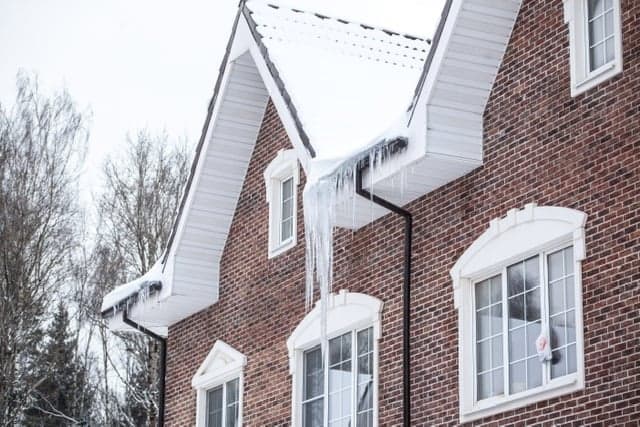
Ice dams can form on the roof, blocking proper drainage and causing water to seep into the attic or walls. This can lead to damp conditions and mold growth. Proper insulation and ventilation in the attic can help prevent ice dams — and ventilation is also the reason attic mold usually has nothing to do with a roof leak.
How To Prevent Winter Mold Damage
It’s easy to underestimate mold challenges in Cleveland winters because of the low humidity and freezing temperatures. But don’t let your guard down. The risk of water damage goes up in the winter months, and where there is water damage, there can be mold. Here’s your winter checklist to stay ahead of these risks:
- Insulate Pipes: Insulate pipes, especially those in unheated or exposed areas, to prevent freezing and potential bursts that can lead to water damage and mold.
- Ensure Proper Ventilation: Maintain good ventilation in your home by using exhaust fans and ensuring proper airflow. This helps prevent condensation, a common contributor to mold growth.
- Seal Windows and Doors: Check for drafts and seal any gaps around windows and doors to prevent cold air from entering, reducing the likelihood of condensation on surfaces.
- Address Leaks Promptly: Inspect your home regularly for leaks, especially after winter storms. Promptly address any water intrusion to prevent mold growth.
- Manage Ice Dams: Properly insulate and ventilate your attic to prevent the formation of ice dams on the roof. This helps minimize the risk of water seeping into your home and causing mold.
- Regular Inspections: Conduct regular inspections of your home, paying attention to areas prone to mold growth. This includes basements, attics, and crawl spaces — each of which fails in its own way. Address any issues promptly.
And if All Else Fails
Sometimes, despite our best efforts, mold still manages to creep into our homes. It can happen in any home and at any time of the year. If you notice or suspect mold, do not try do deal with it on your own.
The team at Mold and Air Duct Pros has experience handling mold concerns across Northeast Ohio, because it’s our home, too. Contact us for a free visual consult and we’ll help you understand the next step.
For local scheduling and service details, see our Lakewood mold inspection and remediation page or check the full Northeast Ohio service area.