
Video transcriptWhat Is Mold and Why Does It Matter?
What is mold, and why does it matter? Hi, I am Josh from Mold and Air Duct Pros, based in Cleveland, Ohio. Mold is a fungus that includes thousands of different species. It may grow indoors or outdoors and thrives in damp, warm, and humid environments. Mold develops when mold spores are introduced to an environment. Spores can enter your home through open doorways, windows, and vents. They can also attach to clothing, shoes, and pets and be carried indoors. If the humidity level is over 60 percent, airborne mold spores can start to multiply.
Attics, crawl spaces, and basements are prone to mold growth due to humidity and ventilation issues. However, any moist area in the home can get moldy. Drywall, ceiling tiles, carpet, furniture, ductwork, roofing, paneling, wallpaper, areas under sinks, and areas around plumbing pipes can harbor mold when the ideal growth conditions are present. Mold matters because it can negatively affect our health if it is not dealt with properly.
That is why it is important to stay on top of potential mold issues and have professionals remediate them so they do not come back. If you smell a musty odor, you are probably smelling mycotoxins. Some mold types are capable of producing mycotoxins. Mycotoxins are defensive chemicals that mold produces to ward off other varieties of mold, and mycotoxins are usually what adversely affects people's health.
If you suspect mold in your home and are experiencing allergic reactions such as a runny nose, itchy throat, or headaches, please call Mold and Air Duct Pros at (440) 467-4104. We pride ourselves on fast, safe, and affordable mold inspection service. We can perform mold tests on site with instant results to give you peace of mind that your home or office is a safe environment.
You think that you’ve found black mold in your home. You spot a patch in the corner of your bathroom or on your basement wall. It looks like black mold, but how can you tell and what do you do?
In this article, we’re going to answer these questions. We’ll discuss what black mold is, why you should take it seriously, and how to recognize it. Most importantly, we’ll give you real steps you can take when black mold shows up in your home.
Understanding Black Mold
What is it?
“Black mold” is a common description, not a reliable species identification. Several molds can appear dark. Stachybotrys chartarum is one greenish-black mold that grows on materials such as paper and gypsum board when moisture persists. Color, texture, and odor cannot establish the species or its health significance.
The CDC's Stachybotrys guidance says you do not need to determine the mold type before addressing indoor growth. Focus on the water source, affected material, and extent.

Where is it Found?
Knowing where to keep an eye out for black mold is crucial because of the potential serious health risks it poses. This mold thrives in areas with excessive moisture. Think water-damaged buildings, areas with chronic leaks, or places with poor ventilation. Bathrooms, kitchens, basements, and attics are all examples of potential places that black mold could thrive.
Why Is it a Problem?
Black mold affects people differently, and some people may have no symptoms. According to the Cleveland Clinic, possible reactions include sneezing, coughing, nasal congestion, postnasal drip, and red eyes.
If you have a mold allergy, compromised immune system, or respiratory condition, you may experience more severe reactions. In these cases, watch for shortness of breath, skin irritation, or chest tightness. People with a compromised immune system can also develop a fungal infection in the airways or other parts of the body.
It’s essential to recognize these health risks and to have an understanding of how severe your individual reaction to black mold might be. To avoid experiencing these possible health concerns, check mold-prone areas in your home regularly, limit exposure to possible mold spores, and don’t wait to call in a professional when there is a question.

Five Signs to Document Before an Inspection
- Visible growth: Photograph its location and approximate size. Appearance alone does not identify the mold.
- Moisture history: Note leaks, flooding, condensation, and previous repairs near the affected area.
- Recurring growth: A stain that returns after cleaning can indicate unresolved moisture or affected material.
- Material damage: Record swollen drywall, deteriorating wood, or peeling finishes without pulling the material apart.
- Hidden concerns: A persistent musty smell or damage inside a cavity may justify professional investigation even when little growth is visible.

How to Get Rid of Black Mold
Address the moisture source, avoid disturbing suspect materials, and decide whether the cleanup is small and accessible or needs professional help. The EPA's homeowner guide says an area smaller than about 10 square feet can often be cleaned by a homeowner, with exceptions for major damage, contaminated water, HVAC involvement, and health concerns. Do not run an HVAC system you know or suspect is contaminated with mold.
Does Bleach Kill Black Mold?
Bleach can inactivate mold under suitable conditions, but killing mold does not complete the cleanup. Read our guide to bleach dilution, surfaces, and safety. Damaged porous materials may need replacement, and the moisture source must be corrected.
This is our recommended process to remove black mold in your home:
- Professional Assessment: The first thing is always to have a certified mold professional assess your home. They review accessible materials and moisture conditions, identify inspection limitations, and recommend testing when it would add useful information. They will then advise you on next steps.
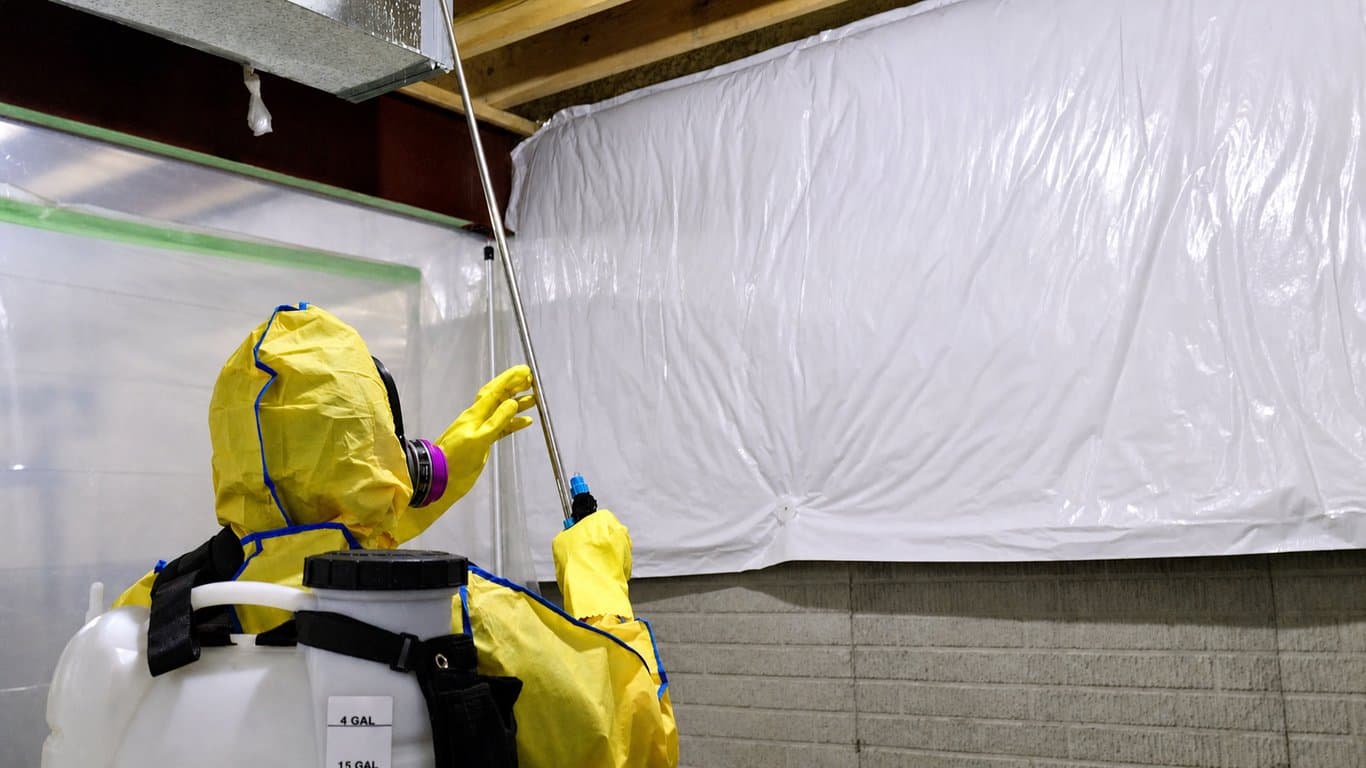
- Isolation: After the mold locations are determined by the tests, it is important to seal off the areas affected by mold growth. This will prevent mold spores from spreading to other parts of the property. Typically, this is done with plastic sheeting and tape. If you want to make sure that the job is done safely and thoroughly, call a qualified mold remediation professional. Negative airflow fans with HEPA filters are often recommended to keep the mold confined to the room even when entering and exiting the containment. Isolate the HVAC systems as well by turning off the heating, ventilation, and air conditioning systems in the affected areas. Doing so will help prevent the spread of mold spores through the air ducts.
- Remediation: Different professionals use different remediation processes. Do your research before hiring a remediation company and ask for a clear scope. The Mold and Air Duct Pros process includes containment, HEPA filtration, removal of contaminated porous materials where needed, detailed surface cleaning, whole-home air duct cleaning, and a post-remediation evaluation.
- Prevention: Prevent future mold infestations by keeping your home clean and dry. This involves fixing leaks, improving ventilation, and ideally keeping indoor humidity levels below 60%. The EPA recommends an indoor humidity level of 30-50%. Moisture is necessary for black mold (or any mold) to grow- and keeping your home dry is the most effective way to protect yourself from future mold problems.

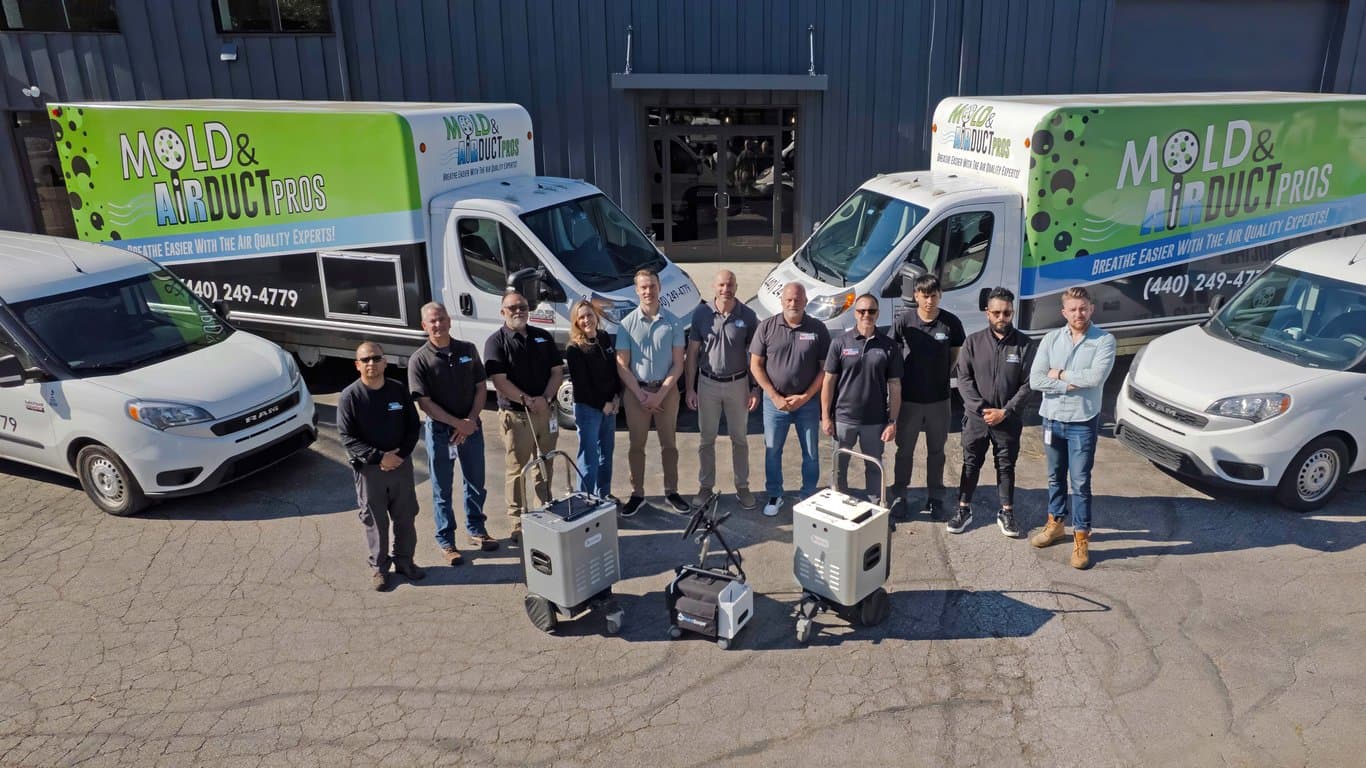
The Benefits of Choosing a Trusted Cleveland Mold Removal Pro for your Remediation
Choosing a mold removal professional with local expertise can make all the difference. Here are a few of the reasons that it just makes sense:
- Familiarity with Local Conditions: A local mold professional in Cleveland understands the area and its unique challenges. They have knowledge of the environmental conditions, climate, and common mold species in the area. This allows them to come up with tailored solutions based on their experience with mold issues specific to Cleveland.
- Regulatory Compliance: Local professionals are well-versed in regional regulations and compliance standards related to mold remediation. This makes sure that the mold removal process complies with local guidelines, avoiding potential legal complications.
- Swift Response: Local mold professionals can offer a quicker response to mold emergencies. Their proximity allows for quick assessments and for getting remediation measures started without delay. This minimizes the spread of mold and potential damage.
- Community Reputation: A local professional is likely to have a reputation within the Cleveland community. Reviews and recommendations from other Cleveland-area homeowners can give you a good idea of whether or not you should trust them with your home as well.
- Knowledge of Local Building Structures: Cleveland has specific architectural styles and building structures. A local mold professional is familiar with these details, making the mold inspection and remediation processes more efficient.
- Understanding of Insurance Protocols: Local mold professionals may have experience working with local insurance providers. They can document the work and help you understand what information your insurer may request.
- Availability for Follow-Up Services: Local professionals are around for follow-up inspections and maintenance. They’re “in the neighborhood” and will be there for you through the remediation process and beyond.
Taking Action
Noticing, identifying, and responding to black mold takes vigilance and understanding. The big takeaways should be: recognize the signs (like musty odors, surface changes, and excessive moisture,) keep your eyes open for them, and get professional help throughout the process.
If you suspect that you have black mold in your home, quick action is crucial. Reach out to our experienced mold professionals for a swift and effective response. Our local experience ensures an individual approach- both to mold issues specific to the Cleveland area in general, and to your home specifically. We will address both the visible mold and potential hidden sources.
Early detection and prompt attention to moisture can help limit additional property damage. Contact us to discuss a suspected black mold concern in Northeast Ohio and determine whether an inspection is the right next step.